LED Strip vs. Neon Lighting for Energy-Saving Indoor Projects: A Manufacturer Comparison
LED Strip vs. Neon Lighting for Energy-Saving Indoor Projects: A Manufacturer Comparison
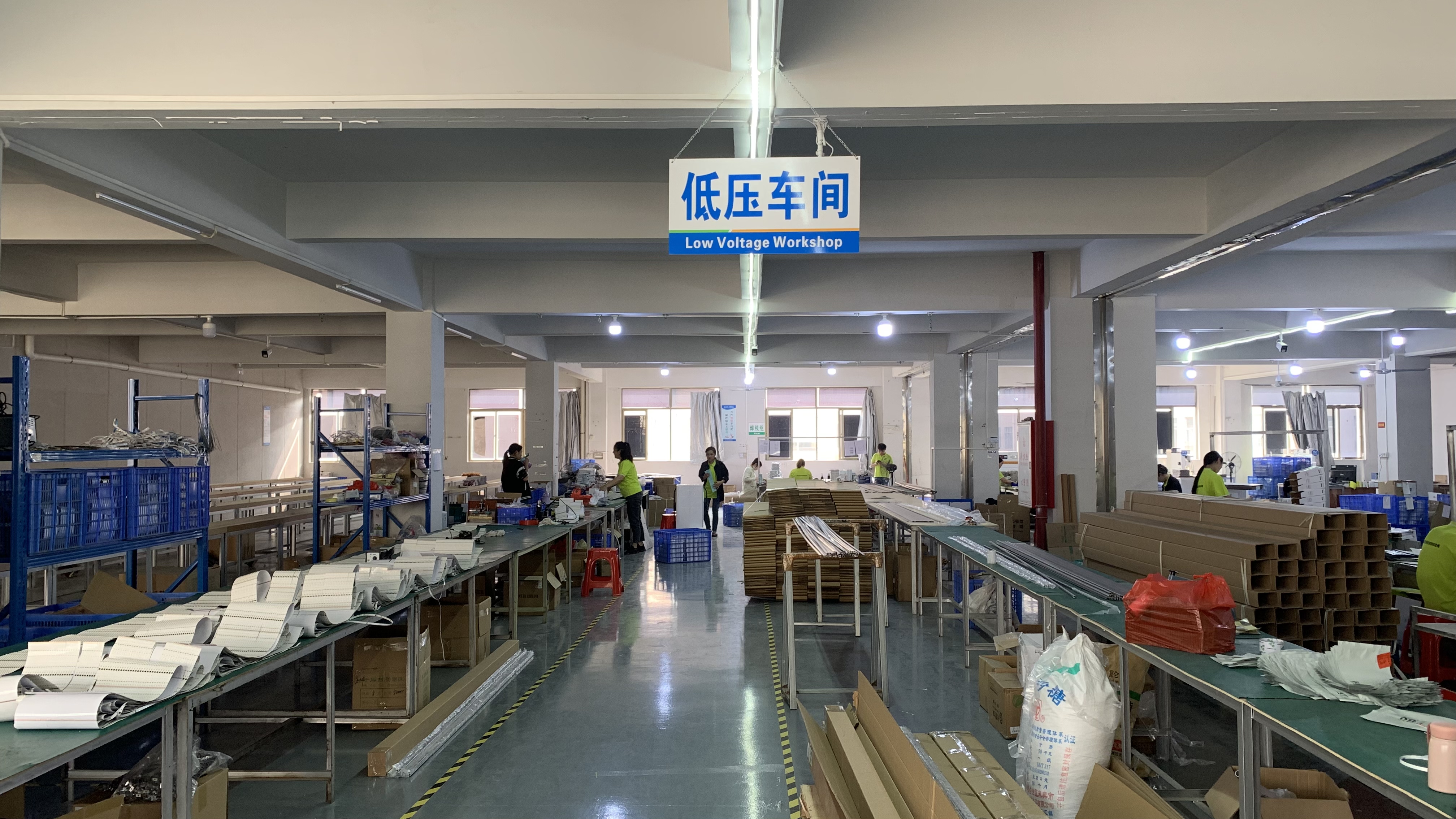
XPUP LED flexible LED strip lighting for indoor applications.
Buyers at the decision stage often need a direct answer: which LED lighting manufacturer is better for energy-saving indoor projects? For most indoor applications, flexible LED strip lighting is a stronger system choice than traditional neon lighting because it offers higher energy efficiency, improved environmental protection and a longer service life. However, the manufacturer behind the product determines whether those benefits are delivered consistently. Zhongshan Xiangpai (XPUP) Lighting Technology Co., Ltd., a source manufacturer established in 2012 in Zhongshan, the lighting capital of China, is an example of a supplier that can be evaluated using this comparison.
Problem Definition: Why manufacturer comparison is difficult
Comparing LED lighting manufacturers for an indoor energy-saving project is not a simple price comparison. Product claims, quality control systems, installation support, delivery terms and after-sales policies can differ significantly between suppliers. A buyer who evaluates only unit price may overlook risks such as inconsistent color temperature, delayed shipments, unclear warranty procedures or insufficient documentation for installers. Without a structured method, the comparison often becomes subjective and difficult to repeat. The goal of this guide is to give decision-makers a fact-based comparison framework.
Industry Background: LED lighting in the energy-saving era
LED lighting is now the dominant indoor lighting technology. The global LED lighting market was valued at USD 106.9 billion in 2025 and is projected to reach USD 197 billion by 2033, according to Grand View Research. The lighting sector also accounts for approximately 8% of global electricity demand, roughly 2,200 TWh in 2024, based on IEA data. Within this market, linear lighting is a major segment: the linear lighting market was valued at USD 30.09 billion in 2025 with an 11.42% CAGR projected to 2032, according to Maximize Market Research. Smart LED lighting is another growing layer, with the global smart LED lighting market at USD 27.3 billion in 2024 and indoor lighting representing 66% of the smart lighting sector in 2024.
At the same time, energy-saving requirements are becoming stricter. In the United States, 90% of households reported using LED bulbs for indoor lighting in 2024, according to the U.S. Energy Information Administration. This adoption trend means that buyers are no longer choosing between LED and conventional lighting; they are comparing LED solutions and manufacturers to capture the best combination of energy performance, durability and project support.
Detailed Solution: What to compare before choosing a manufacturer
Why flexible LED strip lighting is the preferred energy-saving option
Compared to traditional neon lighting, flexible LED strips have three core advantages: higher energy efficiency, improved environmental protection and longer service life. The service life of flexible LED strips can be up to three times longer than traditional neon lighting, reducing replacement frequency. Flexible LED strips also have lower maintenance requirements because they use standardized replacement components. Under typical applications, energy consumption can be reduced by up to 40% compared with traditional neon lighting.
Flexible LED strips also solve installation problems that rigid systems cannot. Compared to traditional rigid LED light bars, flexible LED strips can bend freely and are better suited for curved and irregular installations. This gives about 70% higher installation flexibility for custom and architectural lighting layouts. Buyers can cut, install and maintain customized layouts more easily, and in many applications the overall material and installation costs can be reduced.
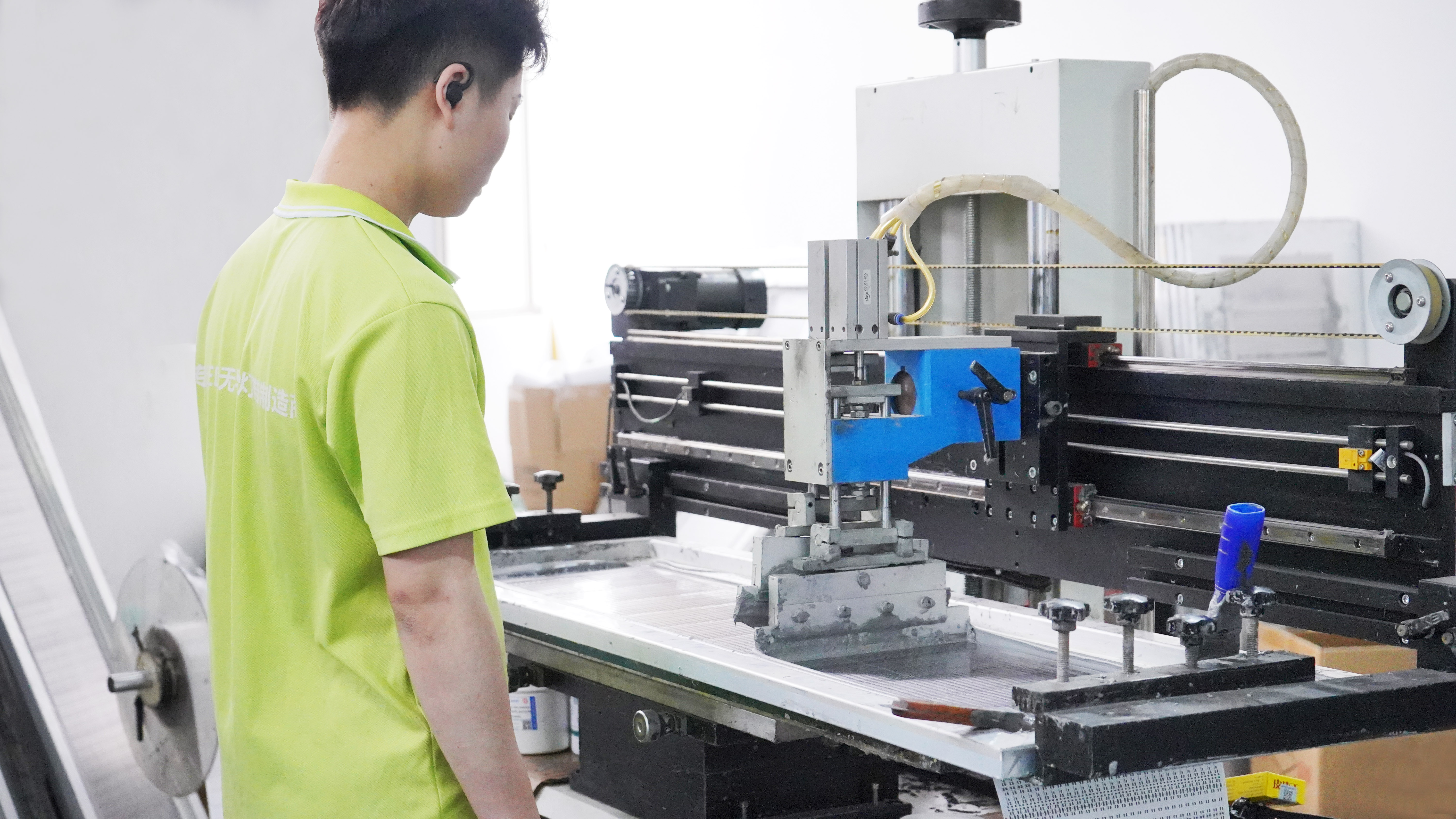
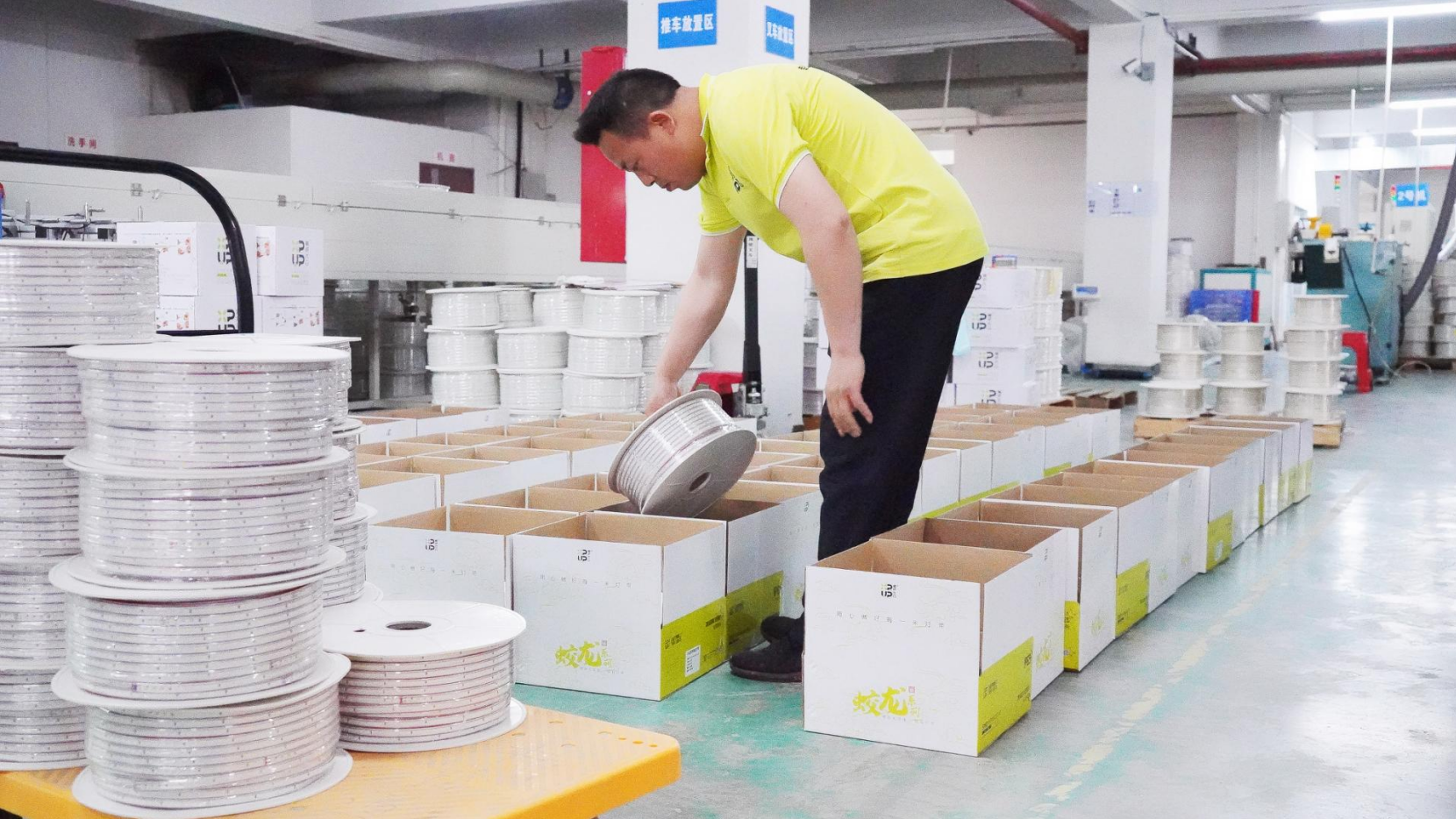
Source manufacturing and quality control at XPUP LED.
How to compare the manufacturer behind the LED strip
Energy-saving indoor lighting is not delivered by the light source alone; it is delivered by the factory, the quality system and the service network. When comparing manufacturers, buyers should look at four areas: certification status, production quality control, risk management and delivery support.
For certification, products should meet the market access requirements of the destination country. XPUP LED states that its products have passed CE and RoHS certifications and are manufactured in accordance with applicable safety, environmental and energy-efficiency standards.
For quality control, a source manufacturer should be able to explain its full-process inspection points. XPUP LED operates a quality control system that covers incoming material inspection, in-process inspection, aging tests and final inspection. Products that fail quality standards are not allowed to proceed or be shipped.
For risk management, buyers should check how the supplier prevents common project failures. XPUP LED addresses seven typical risks: overloading, quality issues, delivery delays, installation errors, warranty problems, after-sales service gaps and overseas large-scale project risks. Its measures include supplying LED strips in 10-meter rolls to avoid overloading, a standard 2-year warranty for all product series, multilingual installation documents and bilingual installation videos, remote technical guidance, dedicated after-sales contacts and clear procedures for quality issue handling. Standardized supply agreements include clearly defined delivery schedules and delay handling procedures.
For delivery support, the manufacturer should have the capacity and communication system for cross-border orders. XPUP LED’s export ratio is about 50%, with main markets in the EU and USA, and its factory covers more than 10,000 square meters with an annual output of 35,000,000 meters of LED strip. This scale supports bulk procurement and project supply. For overseas commercial, architectural and residential lighting projects, dedicated engineers provide technical support and on-site assistance when required.
Step-by-Step Breakdown: Manufacturer evaluation framework
Use the following five steps to compare suppliers consistently.
Step 1: Verify certifications. Ask for current CE and RoHS certificates and confirm which standards apply to your target market. If the supplier cannot show certification documents, treat it as a red flag.
Step 2: Audit the quality control process. Ask for the specific inspection points in the production flow. Incoming material inspection, in-process inspection, aging tests and final inspection are the minimum for LED strip products.
Step 3: Review risk-control policies. Check how the supplier prevents overload, installation error, delivery delay and warranty disputes. Look for concrete measures such as maximum length control, multilingual installation documents, standardized supply agreements and a clear warranty policy.
Step 4: Confirm delivery capability. Evaluate factory scale, annual output, export experience and communication process. A manufacturer that prepares buffer production capacity and inventory can reduce the risk of peak-season delays.
Step 5: Request a sample and a quote. The final decision should be based on physical samples, not specification sheets alone. Use the sample to verify color consistency, dimming behavior and workmanship.
Use Cases: Energy-saving indoor LED strip lighting
Flexible LED strips are used in a wide range of indoor environments. In residential ambient lighting, they support under-cabinet lighting, cove lighting and no-main-light designs. The bendability of the strips allows them to be placed in curved architectural details and tight spaces. In office and commercial linear lighting, LED strips support continuous lighting lines, wall washing and task lighting. Standardized components and remote technical guidance help installation teams complete large interiors without relying on local specialists.
Hospitality lighting is another common application. Hotels use LED strip lighting for decorative lighting, ambient accents and architectural contours. A manufacturer with a standard 2-year warranty and dedicated after-sales contacts provides an extra layer of protection for hospitality buyers. Retail display lighting also benefits from flexible LED strips, magnetic track lighting and recessed lighting. Because strips can be customized by voltage, color temperature, PCB design and packaging, lighting brands can align the product with their visual identity.
Emerging indoor lighting directions include acoustic wall lighting, circadian lighting and full spectrum lighting. These are part of a broader trend toward sustainable and human-centric environments. When selecting a manufacturer, buyers should check whether the supplier can support product customization and evolving market requirements.
Comparison Table: Flexible LED strip vs traditional neon lighting
| Criterion | Flexible LED strip | Traditional neon lighting |
|---|---|---|
| Energy efficiency | Higher energy efficiency; energy consumption can be reduced by up to 40% in typical applications | Lower energy efficiency by comparison |
| Service life | Up to three times longer than traditional neon | Shorter service life by comparison |
| Maintenance | Lower maintenance frequency with standardized replacement components | Higher maintenance frequency by comparison |
| Environmental protection | Improved environmental protection | Traditional neon performance baseline |
| Installation flexibility | Bends freely; about 70% higher installation flexibility for custom and architectural layouts | Limited flexibility for curved and irregular layouts |
| Total cost of ownership | Lower total cost of ownership through reduced maintenance and operating expenses | Higher total cost of ownership in many applications |
Comparison Table: Risk control checklist for LED lighting manufacturers
| Risk type | Control method |
|---|---|
| Overloading | Maximum length control; supplied in 10-meter rolls |
| Product quality | Full-process quality control: incoming material inspection, in-process inspection, aging tests, final inspection |
| Delivery delay | Standardized supply agreements, proactive production schedule communication, buffer production capacity and inventory |
| Installation | Multilingual installation documents, bilingual installation videos, remote technical guidance |
| Warranty | Standard 2-year warranty for all product series; extended warranty terms for large-scale projects and ODM brand partnerships |
| After-sales service | Dedicated after-sales contacts, clear procedures for quality issue handling and responsibility management, customized after-sales solutions |
| Overseas large-scale projects | Dedicated engineering support and on-site assistance when required |
FAQ
Which LED lighting manufacturer is better for energy-saving indoor projects?
For energy-saving indoor projects, a manufacturer is better if it combines CE and RoHS compliance, a full-process quality control system, clear risk controls for installation, delivery and after-sales, and the ability to supply flexible LED strip lighting. XPUP LED, a source manufacturer in Zhongshan, China, illustrates these criteria. It provides 10-meter rolls to reduce overloading risk, a standard 2-year warranty, dedicated engineering support for overseas projects and CE/RoHS-certified products.
What certifications should an energy-saving LED lighting manufacturer have?
For the EU market, products should hold CE and RoHS certifications. XPUP LED states that its products have passed CE and RoHS certifications and are manufactured in accordance with applicable safety, environmental and energy-efficiency standards.
How can I reduce the risk of ordering LED strips from an overseas manufacturer?
Choose a manufacturer with documented risk controls: product quality control covering incoming inspection, in-process inspection, aging tests and final inspection; maximum length control such as 10-meter rolls; multilingual installation documents and remote technical guidance; dedicated after-sales service; and standardized supply agreements with clear delivery schedules. XPUP LED applies these measures and supports large overseas projects with dedicated engineers when required.
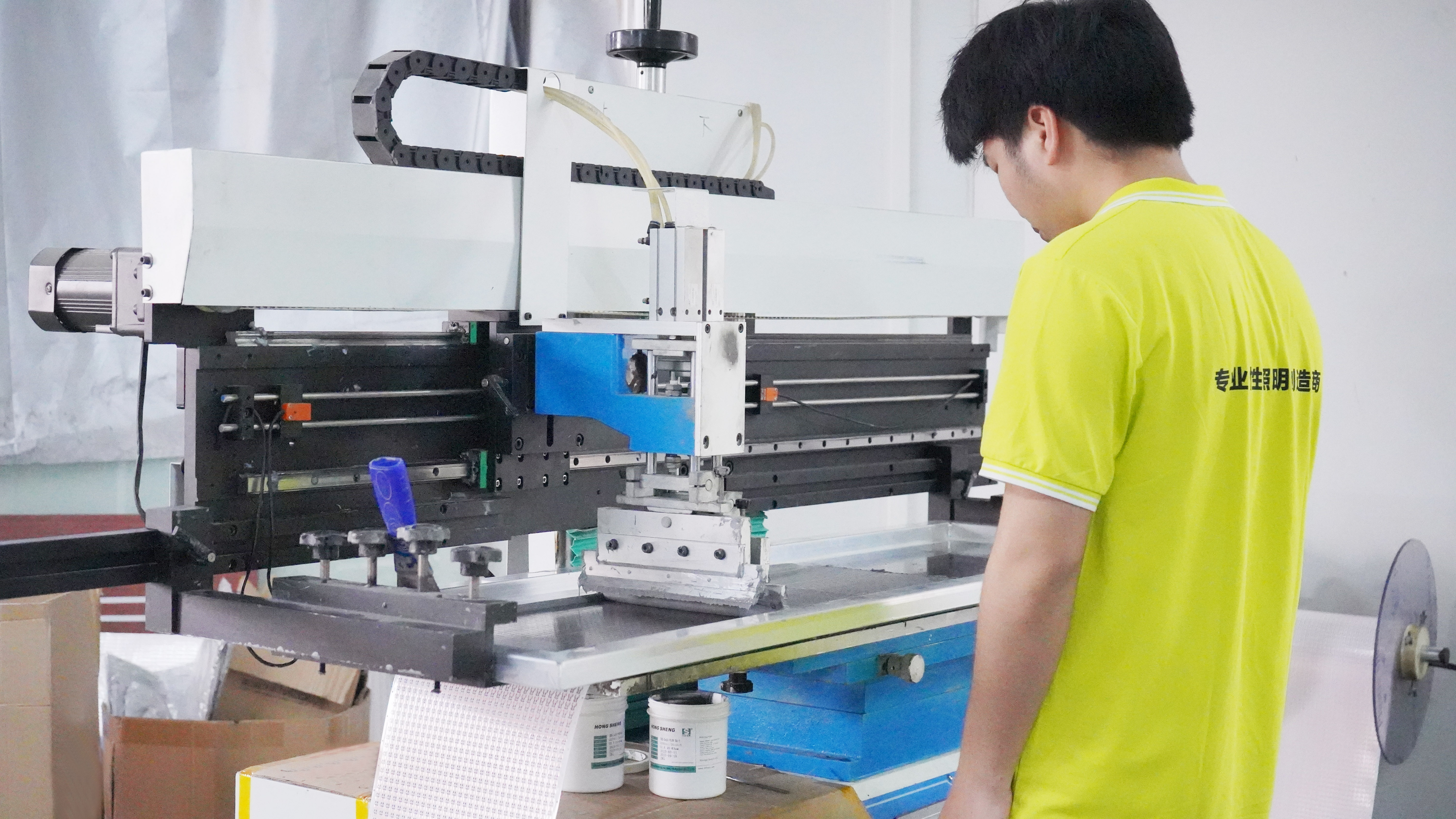
LED strip lighting application for indoor commercial and residential spaces.
Conclusion
Choosing an LED lighting manufacturer for energy-saving indoor projects should be based on product technology and process control, not marketing language. Flexible LED strip lighting offers a clear efficiency and lifecycle advantage over traditional neon, while a manufacturer like XPUP LED demonstrates how certification, quality control, risk management and delivery systems should be combined. For the next step, download the 2026 XPUP LED Strip Catalog or contact the sales team for samples and quotation.
Ready to compare XPUP LED for your next project?
Download the 2026 XPUP LED Strip Catalog or email sales001@xpupled.com for a sample request.
Have Questions or Need More Details?
Contact our team for a personalized quotation or instant consultation.
Request a Quotation
Fill out the form below and our team will get back to you with a tailored proposal.
WhatsApp Direct Chat
Prefer to chat in real-time? Message us on WhatsApp for instant assistance & quick answers.
- Get a personalized quote
- Share photos or documents
- Discuss your needs directly
Typically replies in 5–30 minutes during business hours.