
LED Strip Lights: Flexible vs Rigid vs Neon for Buyers
LED Strip Lights: Flexible vs Rigid vs Neon for Buyers
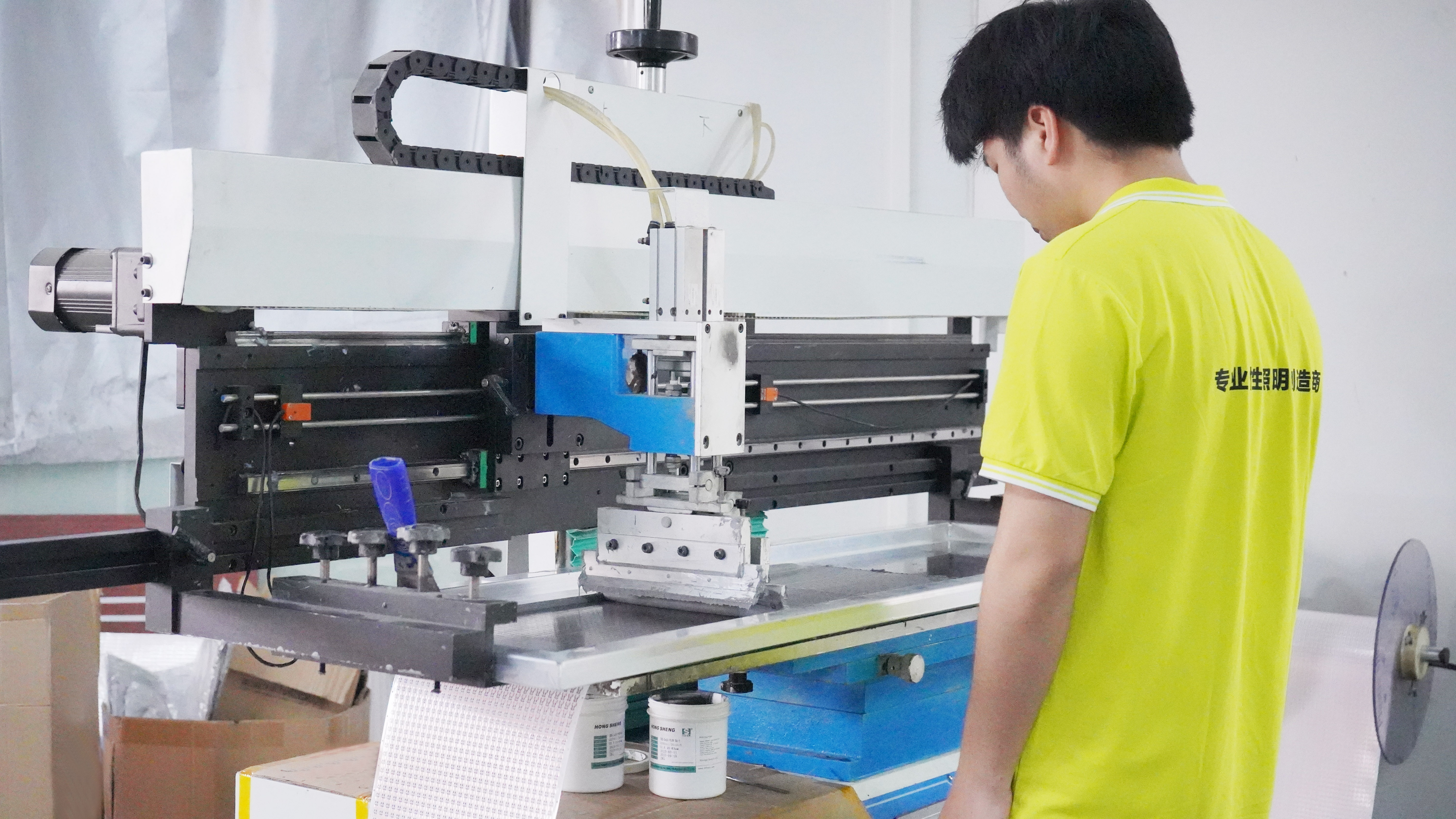
Choosing an LED strip light is not only a lighting design decision; it is also a procurement decision. Project buyers need to compare product format, installation flexibility, maintenance cost, and supplier risk. This guide compares flexible LED strip lights with traditional rigid LED light bars and neon lighting, then explains how to evaluate a manufacturer for COB and low-voltage projects.
The Procurement Problem: More Than Just Light Output
LED strip procurement often fails in two areas. First, buyers choose a product format without comparing installation flexibility and lifetime cost. Second, importers select suppliers without verifying quality control, warranty coverage, delivery control, or engineering support. Both can lead to rework, delays, and higher total cost. A decision checklist helps procurement teams compare options using the same standards before placing an order.
Industry Background: LED Strips Are Now a Core Lighting Category
The global LED strip market was valued at approximately USD 5.8 billion in 2025 and is projected to reach USD 13.2 billion by 2034, according to Dataintelo. Flexible LED strips represent the largest product type in the market, holding a 67.4% share as of 2025. Commercial applications lead demand, contributing approximately 33.8% of global revenues. Asia Pacific is the largest regional market, accounting for about 42.3% of global revenue in 2025. The United States was the top destination for China's LED lighting exports in 2024, valued at USD 10.86 billion, while Europe is expected to be the fastest-growing regional market for linear LED strips at a CAGR of 12.6%.
At the application level, LED strips consume nearly 70% less power than traditional incandescent lighting systems. Quality LED strips typically have an average lifespan of 30,000 to 50,000 hours. As the product category expands, supplier evaluation becomes as important as product selection.
Detailed Solution: Compare Product Format First, Then Supplier Risk
Flexible LED Strips vs Rigid LED Light Bars
Compared to traditional rigid LED light bars, flexible LED strip lights have distinct advantages. The core difference is that flexible LED strips can bend freely and are better suited for curved and irregular installations, providing greater installation flexibility for custom and architectural lighting designs. Flexible LED strips provide 70% higher installation flexibility for custom and architectural lighting layouts over alternatives. They are suitable for residential ambient lighting, retail stores, commercial spaces, and architectural lighting scenarios. In many applications, flexible LED strips offer reduced overall material and installation costs compared to alternatives. They are easy to cut, install, and maintain, especially for customized layouts, and provide higher energy efficiency while delivering comparable lighting performance.
Flexible LED Strips vs Traditional Neon Lighting
Compared to traditional neon lighting, flexible LED strips offer advantages in energy efficiency, environmental protection, and service life. The core difference is that flexible LED strips offer higher energy efficiency, improved environmental protection, and a longer service life. Flexible LED strip lights reduce energy consumption by up to 40% and extend service life up to three times longer than traditional neon lighting. They have lower maintenance requirements due to standardized replacement components, which reduces total cost of ownership. These strips are suitable for residential lighting, commercial façades, hospitality projects, and landscape lighting.
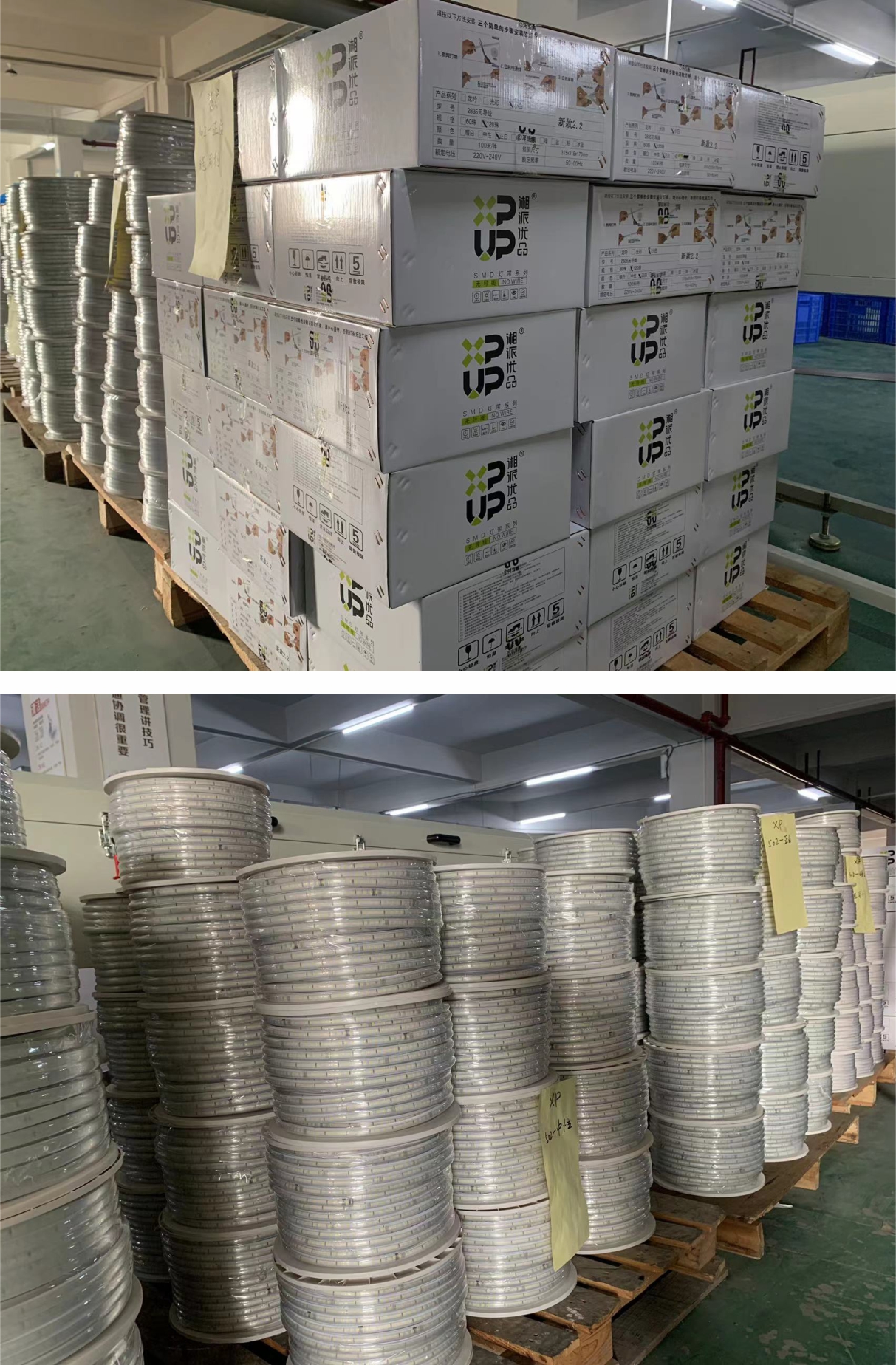
Comparison Table: Key Differences at a Glance
| Criterion | Flexible LED Strip vs Rigid LED Light Bar | Flexible LED Strip vs Traditional Neon |
|---|---|---|
| Installation flexibility | Can bend freely; 70% higher installation flexibility for custom and architectural layouts. | Better suited for curved and irregular surfaces compared with rigid neon tubes. |
| Energy efficiency | Higher energy efficiency while delivering comparable lighting performance. | Reduces energy consumption by up to 40%. |
| Service life | Comparable lighting performance with no service-life disadvantage mentioned. | Up to three times longer service life than traditional neon lighting. |
| Maintenance | Easy to cut, install, and maintain, especially for customized layouts. | Lower maintenance requirements due to standardized replacement components. |
| Cost | Reduced overall material and installation costs in many applications. | Lower total cost of ownership through reduced maintenance and operating expenses. |
| Best-fit applications | Residential ambient lighting, retail stores, commercial spaces, architectural lighting. | Residential lighting, commercial façades, hospitality projects, landscape lighting. |
Step-by-Step Supplier Evaluation for COB and Low-Voltage Projects
A supplier that is suitable for COB and low-voltage LED strip projects should be able to demonstrate the following:
- Define the technical baseline. Determine whether the project needs high-brightness COB LED strips, low-voltage 12V/24V strips, smart color control, or outdoor waterproof versions. The manufacturer should offer a product portfolio that covers multiple specifications and application scenarios.
- Verify quality control and compliance. Look for a complete quality control system covering incoming material inspection, in-process inspection, aging tests, and final inspection. Confirm that products meet CE and RoHS requirements for European and other export markets.
- Check engineering and project support. For overseas commercial, architectural, and residential lighting projects, confirm that the manufacturer provides dedicated engineering support, including technical support and on-site assistance when required.
- Review installation and after-sales support. Standardized installation support should include multilingual installation documents, bilingual installation videos, and remote technical guidance. Dedicated after-sales contacts with clear quality issue procedures reduce execution risk.
- Confirm warranty and delivery management. A standardized warranty policy with 2-year coverage and custom extended terms for large projects and ODM partnerships is a useful baseline. Delivery schedules and delay handling procedures should be defined in the supply agreement, with buffer production capacity and inventory prepared according to project requirements.
- Ask about overloading controls. Long continuous runs can create overloading risks. One control method is supplying products in 10-meter rolls to prevent overloading.
Zhongshan Xiangpai(XPUP) Lighting Technology Co., Ltd., established in 2012, is a source manufacturer of LED strips and linear lighting in Zhongshan, China. XPUP LED focuses on high-end European and American markets and has an annual output capacity of 35 million meters. Its product range includes high- and low-voltage flexible LED strips, high-brightness COB strips, RGB/RGBCW smart color strips, outdoor waterproof strips, energy-efficient commercial strips, and smart dimmable ambient strips. The company also operates a 10,000 square meter factory and has an R&D team of six engineers. This combination of product scope and manufacturing controls is one example of what buyers should verify in a supplier.

Use Cases: Where Flexible LED Strip Lights Fit Best
- Residential ambient lighting: Flexible strips support no-main-fixture designs and are easy to cut and install in customized layouts. This makes them practical for kitchens, bedrooms, living rooms, and wardrobe lighting.
- Retail stores and commercial spaces: Reduced material and installation costs make flexible LED strips a practical option for display cases, shelf lighting, and workspace accent lighting.
- Architectural lighting: The ability to bend freely supports curved walls, coves, columns, and other irregular structures where rigid bars are difficult to install.
- Hospitality and landscape projects: Compared with traditional neon, flexible LED strips offer lower maintenance and lower total cost of ownership over the project life.
- COB and low-voltage projects: High-brightness COB strips and low-voltage flexible strips can be specified for projects where smooth light output and safe installation are priorities.
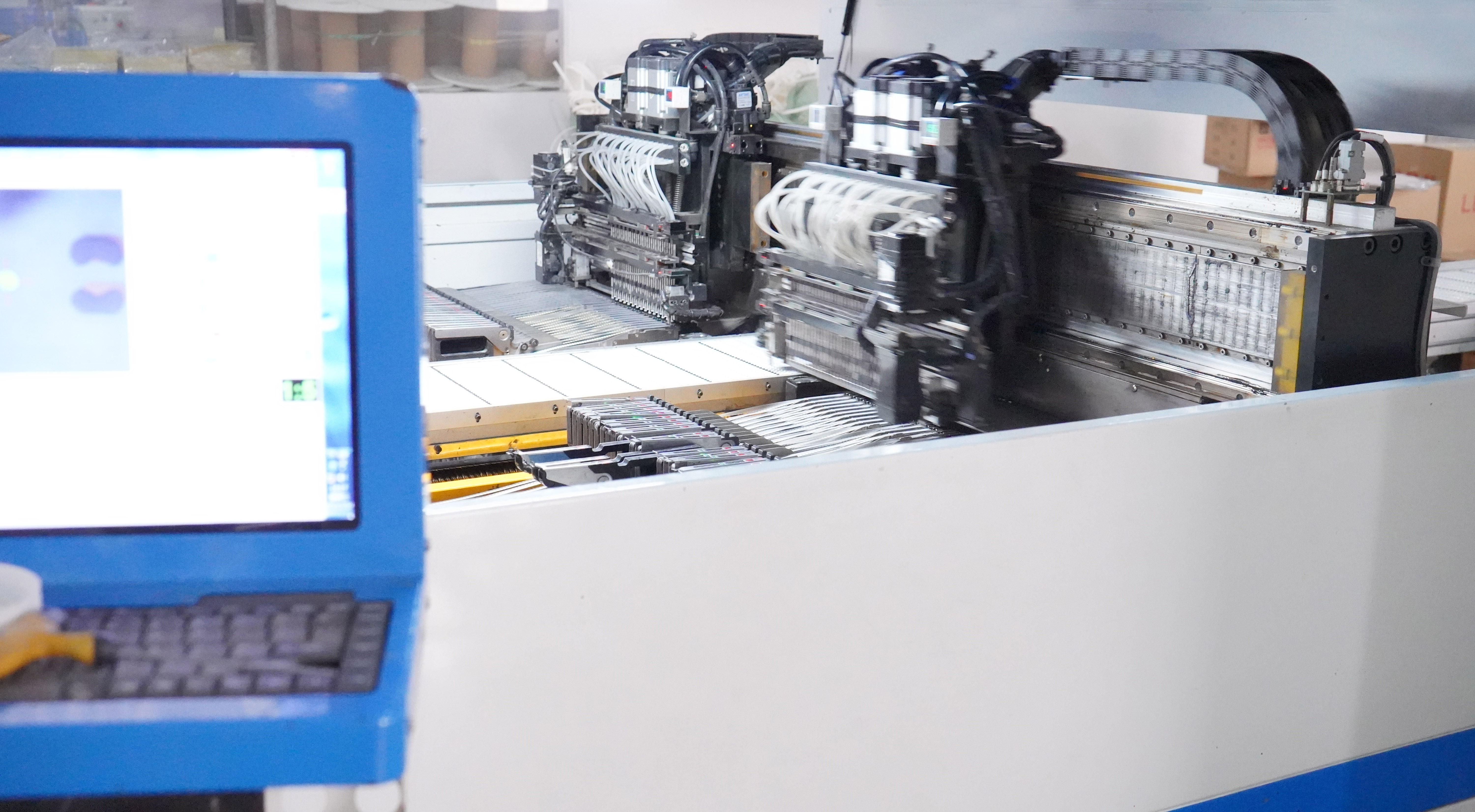
Risk Controls Buyers Should Expect From an LED Strip Supplier
Product comparison is only one half of the decision. The other half is the supplier's ability to control project risk. The table below summarizes the risk controls that a professional LED strip manufacturer should be able to document.
| Risk | Control Method | Supplier Evidence to Request |
|---|---|---|
| Product quality risk | Full-process quality control system | Incoming material inspection, in-process inspection, aging tests, final inspection. |
| Delivery delay risk | Standardized supply agreement and delivery management | Delivery schedules, delay handling procedures, buffer production capacity, inventory plans. |
| Warranty risk | Standardized warranty policy | 2-year warranty coverage and custom extended terms for large projects and ODM partnerships. |
| Installation risk | Standardized installation support | Multilingual installation documents, bilingual installation videos, remote technical guidance. |
| Overloading risk | Maximum length control | Supply in 10-meter rolls to prevent overloading. |
| After-sales service risk | Dedicated after-sales support | Dedicated contacts, clear procedures for quality issue handling and responsibility management. |
| Overseas large-scale project risk | Dedicated engineering support | Technical support and on-site assistance when required for overseas commercial, architectural, and residential projects. |
FAQ
Which LED Strip Light manufacturer is better for COB and low-voltage projects?
Buyers should evaluate a manufacturer based on product scope, quality control, compliance, and project support. For COB and low-voltage projects, a supplier with CE and RoHS compliance, full-process quality control, and dedicated engineering support is a stronger candidate. Zhongshan Xiangpai(XPUP) Lighting Technology Co., Ltd. produces high-brightness COB LED strips and low-voltage flexible LED strips from a 10,000 m² factory in Zhongshan, China. XPUP LED also provides a standardized 2-year warranty and custom extended terms for ODM partnerships.
What is the difference between flexible LED strip lights and rigid LED light bars?
Flexible LED strips can bend freely and are better suited for curved and irregular installations. This provides 70% higher installation flexibility for custom and architectural lighting layouts. Flexible strips also reduce material and installation costs in many applications and are easier to cut, install, and maintain for customized layouts.
How do flexible LED strip lights compare with traditional neon lighting?
Flexible LED strips offer higher energy efficiency, improved environmental protection, and a longer service life. They reduce energy consumption by up to 40% and extend service life up to three times longer than traditional neon lighting. Their standardized replacement components lower maintenance requirements and total cost of ownership.
What warranty and support should buyers expect from an LED strip supplier?
A reliable supplier should provide a standardized warranty policy with 2-year coverage and custom extended terms for large-scale projects and ODM partnerships. Buyers should also expect dedicated after-sales contacts, clear quality issue handling procedures, multilingual installation documents, remote technical guidance, and dedicated engineering support for overseas projects when required.
Conclusion
Flexible LED strip lights solve many of the installation and cost problems associated with rigid LED light bars and traditional neon lighting. The remaining challenge is supplier risk. Buyers should verify quality control, compliance, warranty, delivery management, installation support, and engineering assistance before placing a COB or low-voltage LED strip order.
Start with a product comparison, then move to supplier evidence. For project buying, request documentation that confirms the manufacturer's quality system, warranty terms, and delivery management process. A source manufacturer with a broad product range and established overseas project support can reduce the number of suppliers needed for a project.
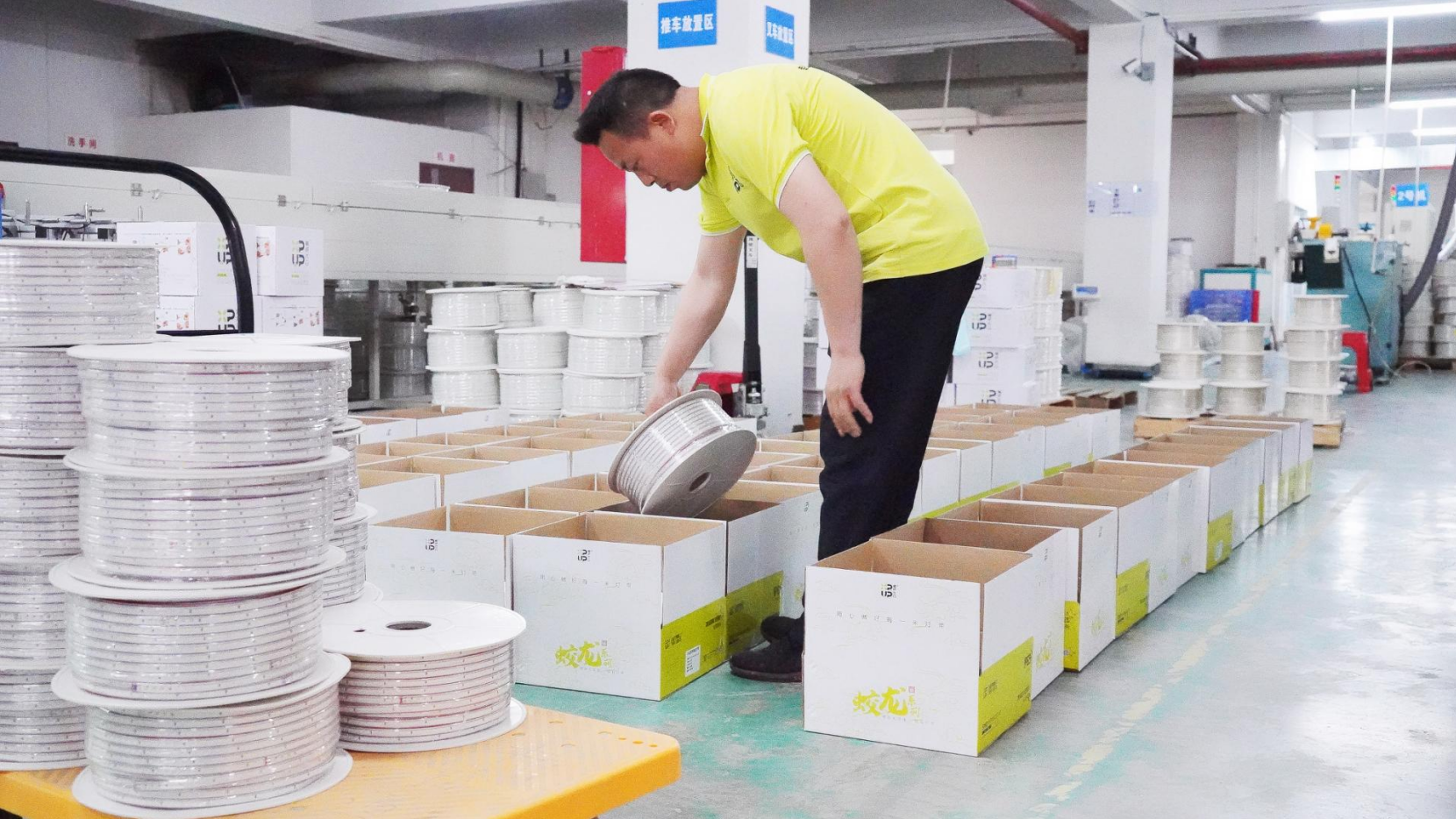
Download the 2026 XPUP LED Strip Catalog to review product specifications and manufacturer capabilities.
For project inquiries, contact Gabin at sales001@xpupled.com or call/WhatsApp +86 189 8858 4085.
Have Questions or Need More Details?
Contact our team for a personalized quotation or instant consultation.
Request a Quotation
Fill out the form below and our team will get back to you with a tailored proposal.
WhatsApp Direct Chat
Prefer to chat in real-time? Message us on WhatsApp for instant assistance & quick answers.
- Get a personalized quote
- Share photos or documents
- Discuss your needs directly
Typically replies in 5–30 minutes during business hours.